


Buying a semi-automatic handgun is a significant decision that goes beyond appearance or brand name. The right choice depends on how the firearm fits your hand, how it performs under use, and how well it meets your intended purpose. A first-time buyer may feel overwhelmed by the number of options available, while experienced shooters often look for specific features that match their preferences.
This guide walks through the key factors that matter most so you can make a confident and informed purchase.
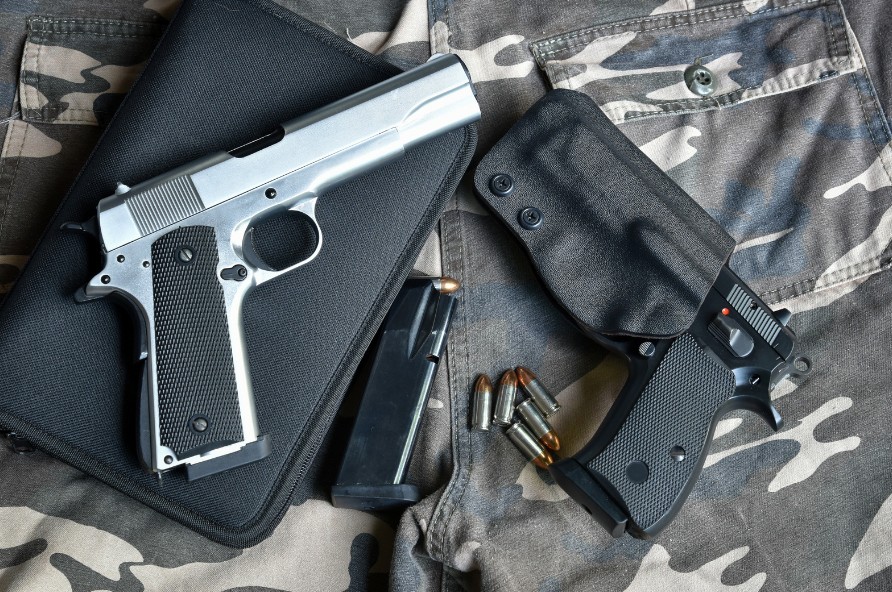
A semi-automatic handgun fires one round per trigger pull and automatically chambers the next round using the energy from the previous shot. This design allows for faster follow-up shots compared to revolvers and is widely used for personal defense, range shooting, and professional applications.
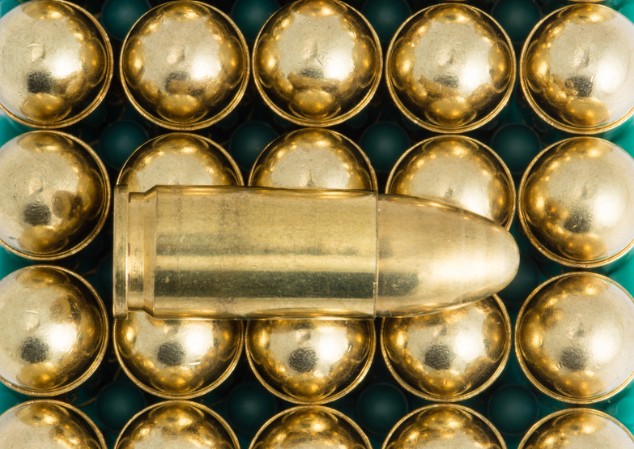
The caliber you choose affects recoil, capacity, and overall shooting experience.
| Caliber | Common Use | Recoil Level | Magazine Capacity |
|---|---|---|---|
| 9mm | Self-defense, range | Moderate | High |
| .40 S&W | Law enforcement | Medium-high | Medium |
| .45 ACP | Personal defense | Higher | Lower |
| .380 ACP | Concealed carry | Low | Medium |
A handgun should feel natural in your hand. Grip size, angle, and texture all influence control and comfort.
Handling different models in person often makes a clear difference.
Capacity varies depending on the size and design of the handgun.
Higher capacity reduces reload frequency but may increase grip size and weight.
Handgun size plays a major role in how and where it can be used.
Think about how you plan to use the firearm before choosing a size.
Modern semi-automatic handguns include a range of safety mechanisms.
Some users prefer manual safeties for added control, while others favor simpler designs for quicker operation.
Trigger feel affects accuracy and confidence.
A consistent trigger helps improve shot placement over time.
A handgun should function consistently without frequent malfunctions.
Reliability matters more than aesthetics when choosing a firearm.
Routine cleaning and maintenance keep your handgun in good working condition.
A firearm that is easy to maintain encourages regular upkeep.
Sights play a key role in accuracy.
Upgraded sights can improve target acquisition.
Many modern handguns include rails or mounting options.
These features add flexibility depending on your needs.
A handgun may look appealing but feel uncomfortable during use. Always prioritize function and fit.
Owning a firearm requires consistent practice. Choosing a caliber or model that discourages training due to cost or discomfort can limit your progress.
Firearm regulations vary by location. Always confirm legal requirements before making a purchase.
A semi-automatic handgun should match your intended use, fit comfortably in your hand, and perform reliably every time you use it. Taking time to evaluate caliber, size, ergonomics, and safety features leads to a better long-term experience.
Visiting a local range, testing different models, and speaking with knowledgeable professionals can provide valuable insight before making your final decision.