


Semi-automatic rifles hold a strong place in modern shooting due to their reliability, ease of use, and adaptability across different situations. From protecting your home to spending time at the range or heading out for a hunt, these rifles offer consistent performance with each trigger pull.
Understanding how these firearms perform in different roles helps you choose the right setup and get the most value from your rifle. Each use case comes with its own set of expectations, and selecting the right features can make a noticeable difference in comfort, control, and results.
A semi-automatic rifle fires one round per trigger pull and automatically chambers the next round. This design allows for quicker follow-up shots compared to bolt action or lever action rifles.
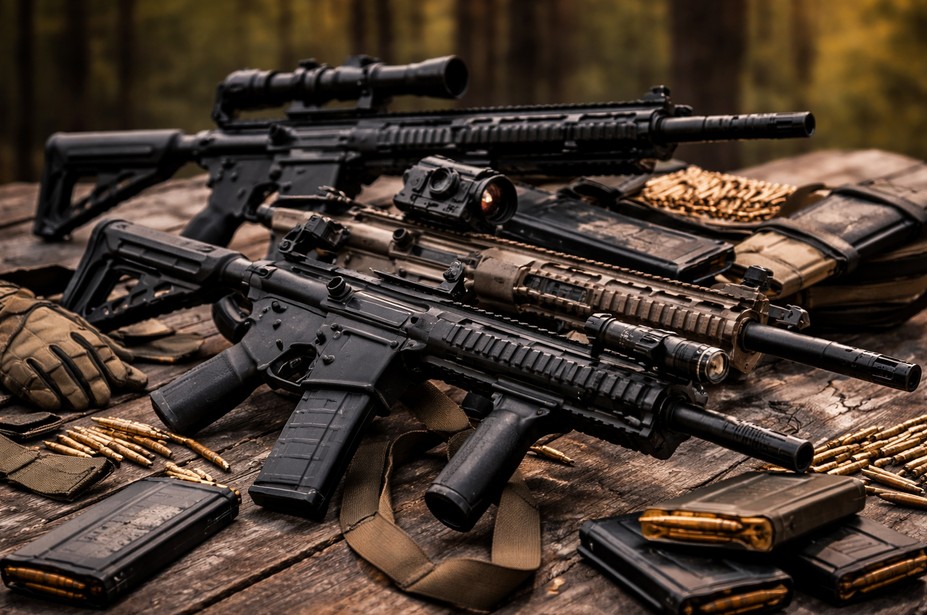
These rifles are commonly built on platforms such as AR-style systems, which allow for customization through different components, accessories, and calibers.
Semi-automatic rifles are often selected for home defense because they offer control, capacity, and ease of handling. Their design allows for stable shooting, especially under stress, where accuracy and quick follow-up shots matter.
The rifle platform provides multiple points of contact, including the shoulder, cheek, and hands. This added stability helps improve accuracy compared to handguns.
Many semi-automatic rifles support higher-capacity magazines, which reduces the need for frequent reloading during critical situations.
With proper training, controls such as the safety selector and magazine release become intuitive, allowing for smooth operation.
Rifles are longer than handguns, which can make movement in tight indoor spaces more challenging. Compact configurations or shorter barrel lengths can help improve handling.
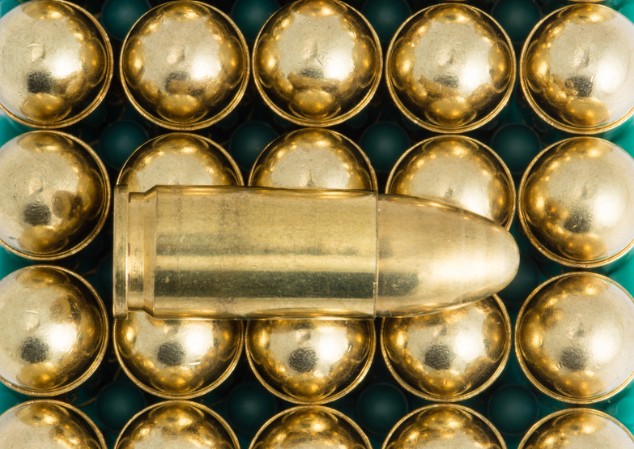
Choosing the right ammunition is critical. Some rounds are designed to reduce over-penetration, which is an important factor in a home setting.
Owning a rifle for defense requires regular training. Familiarity with the firearm improves reaction time and confidence.
Semi-automatic rifles are widely used at shooting ranges due to their ease of operation and consistent performance. They are suitable for both beginners and experienced shooters.
Many semi-automatic rifles are chambered in calibers that produce manageable recoil. This allows for longer practice sessions without fatigue.
Rifles can be adjusted with different stocks, grips, optics, and other accessories. This flexibility allows shooters to create a setup that fits their preferences.
Semi-automatic systems offer reliable shot-to-shot consistency, making them suitable for target practice and skill development.
Regular range time helps reinforce these fundamentals and improves overall shooting performance.
Cost and availability of ammunition play a role in how often you can practice. Choosing a commonly available caliber can help maintain a consistent training routine.
Semi-automatic rifles have gained popularity in hunting due to their ability to deliver quick follow-up shots and adapt to different game types.
In hunting scenarios, opportunities can be brief. A semi-automatic rifle allows for a second shot without manual cycling.
These rifles can be chambered in various calibers suitable for small, medium, and even larger game, depending on local regulations.
Certain calibers and rifle designs help manage recoil, improving comfort during extended time in the field.
Hunting laws vary by state and region. Some areas have restrictions on magazine capacity or rifle types. Always confirm local regulations before heading out.
Choosing the right caliber depends on the game you are hunting. Ethical hunting requires sufficient power for a clean and humane harvest.
Hunting often involves long periods of walking or waiting. A lightweight rifle can reduce fatigue over time.
Start by identifying how you plan to use the rifle most often. A rifle set up for home defense may differ from one built for hunting or range use.
Shorter barrels improve maneuverability, while longer barrels can enhance accuracy and velocity.
Red dot sights work well for close-range use, while magnified optics are better suited for longer distances.
Adjustable stocks allow for a more comfortable fit, especially for different shooting positions.
A rifle that feels comfortable to handle will always perform better in real-world use. Weight distribution, grip angle, and overall balance all contribute to how the rifle handles during operation.
A rifle built for long-range accuracy may not perform well in close quarters. Matching the setup to the intended use improves effectiveness.
Adding too many accessories can increase weight and reduce handling efficiency. Focus on practical additions that improve performance.
Owning a rifle without consistent training limits its effectiveness. Regular use builds familiarity and confidence.
Semi-automatic rifles offer flexibility across home defense, range shooting, and hunting. Their ability to adapt to different roles makes them a valuable addition to any firearm collection.
Selecting the right configuration depends on your intended use, comfort level, and commitment to training. By understanding how these rifles perform in different scenarios, you can make informed decisions and get the most out of your equipment.